Inhabiting Modernity: Model Cities of Post-War Reconstruction in Europe
Sabine Coady Schäbitz
Inhabiting Modernity was the title of a very successful symposium which I attended in September this year in Dunkerque in France. The symposium marked the culmination of an exhibition with the same name which was running from April to September 2025. Both the exhibition and symposium took place at the Halle Aux Sucres, a repurposed 19th-century sugar warehouse now serving as a dynamic civic hub. Indeed, the Halle Aux Sucres houses the Museum of the Sustainable City, a Learning Centre, temporary exhibitions, the Planning School, archives, the Urban Planning Office, and event spaces. Architecturally impressive, the venue reflects Dunkerque’s commitment to public engagement and urban heritage.
The exhibition offered a rich documentation and evaluation of post-war reconstruction phases, showcasing the city’s dedication to preserving and promoting its heritage. This was also evident in the accompanying high-quality prints, leaflets, posters, postcards, and the beautifully designed exhibition catalogue.
The symposium was organised by Myriam Morlion, Head of Heritage for Dunkerque, in collaboration with Bruno Coreen from the Cities of Remembrance Network, also led by Dunkerque. Sub-titled Model Cities of Post-War Reconstruction in Europe, the event brought together professionals and volunteers from across Europe, all actively engaged in their cities’ post-war legacies.
Representing Coventry, I joined Dave and Linda Hirons and Mark Cook. The two-day programme featured formal presentations, film screenings, artistic interpretations, city excursions, and panel discussions. These explored destruction and reconstruction histories, the heritage value of post-war rebuilding, current perceptions, and strategies for maintenance and restoration. Mark Cook and I spoke on Coventry’s experience, sharing a panel with representatives from Eindhoven and Nijmegen in the Netherlands: both cities incidentally destroyed by Allied forces.
As a German national, it was a particular honour to represent Coventry – a city devastated by Nazi Germany and now my professional home in architecture and the built environment. The panel highlighted how Eindhoven and Nijmegen embrace their post-war heritage. Harrie Van Helmond, an architect from Eindhoven, noted that residents appreciate the city not just for its beauty but for its openness and typicality. Eindhoven, similar in size to Coventry, is still growing and impressively builds 8,000 houses annually. Wim Bilo, a tour guide from Nijmegen, remarked jokingly that the city is so satisfied with its reconstruction it doesn’t need another. He advocated for ‘Weiterbauen’ – a German term meaning to continue building respectfully, rather than demolishing and starting anew. I could only agree – we don’t need another phoenix from the ashes.
Other European cities represented were Dresden in Germany – one of Coventry’s twin cities -, Ostende in Belgium, Rotterdam in the Netherlands, and Rouen and Royan in France. Many cities shared similar paths to reconstruction; Anita Bloom from the Netherlands reminded attendees that the Marshall Plan was officially called the European Recovery Programme. The Netherlands will even host a Month of Reconstruction in 2026.
From the beginning, the symposium was infused with the spirit of international friendship, of peace and reconciliation. Patrice Vergriete, the Chairman of the Greater Dunkerque Council, welcomed delegates with the reminder that ‘we cities of reconstruction are the witness of destruction’, with a ‘duty to testify to the world’, not just about rebuilding, but shared European values. This message was especially poignant given that Bucha in Ukraine, was invited but unable to attend.
Dunkerque, as host city, was central to the event. What stood out for me was the city’s resilient response to trauma and loss. Reconstruction plans were drafted during the war by exiled architects, followed by wider national co-ordination through the appointment of a French Minister of Reconstruction and chief architects for each city. Dunkerque adopted a blend of Regionalism and Modernism, focusing on housing and modern comforts. The result was a liveable and imaginative modernity, with creative interiors, community spaces, and a distinct architectural vocabulary featuring artwork, varied layouts, and beautiful detailing.
The urban discovery walks I took part in revealed how well the post-war developments have aged overall. Much of the original housing remains in use, often as social housing, supporting affordable city living and a vibrant urban life. Dunkerque’s provision of free public transport for all, including visitors, underscores its ongoing commitment to social justice – an ethos rooted in post-war reconstruction.
The Spirit of Dunkerque – born from the WWII rescue of British and Allied troops, as a large exercise in damage limitation and saving lives, is emblematic of collective courage and resilience. This spirit is also evident in the reconstruction of Dunkerque, as well as many other places in Europe and beyond, including Coventry. The informal conversations I had during the symposium highlighted Dunkerque’s enduring connection with Britain, despite Brexit. A charming physical manifestation of this is the original Sandettie Light Vessel, so familiar from UK shipping forecasts and now a museum ship in Dunkerque’s historic harbour.
Dunkerque deserves greater recognition and visitor attention, especially from Britain – it is just a short trip across the Channel. Coventry should draw inspiration from Dunkerque’s example and more actively appreciate and promote its post-war heritage. This could align with deeper engagement in the Cities of Remembrance Network, where Coventry and CAIF have so much more to contribute.

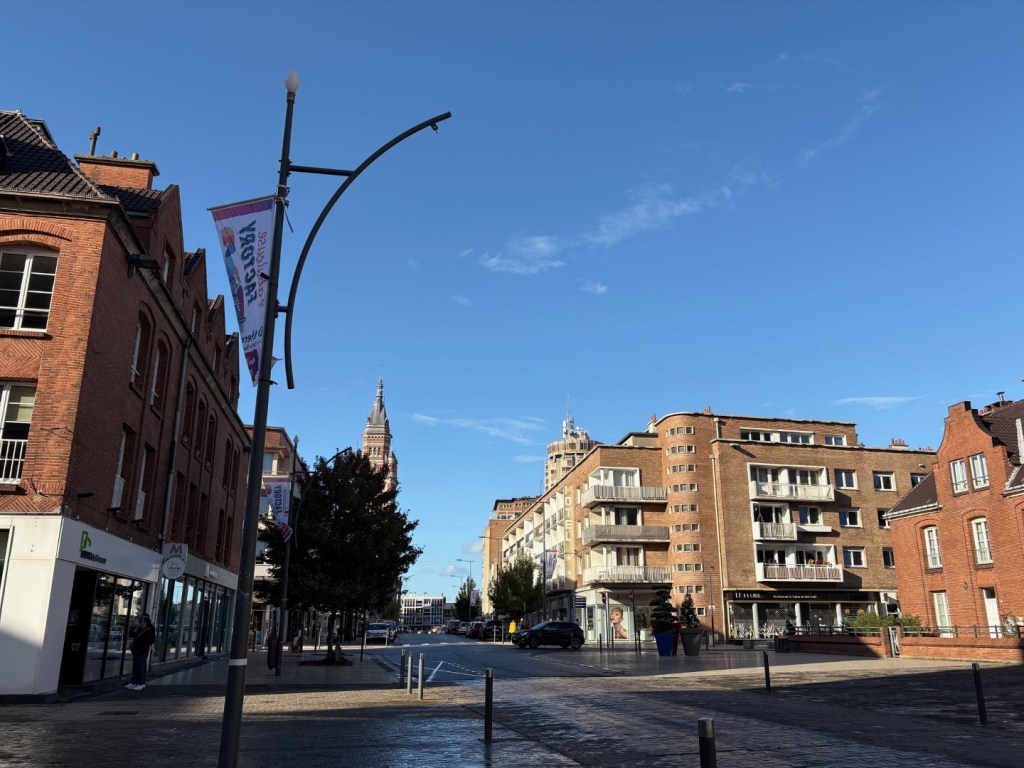


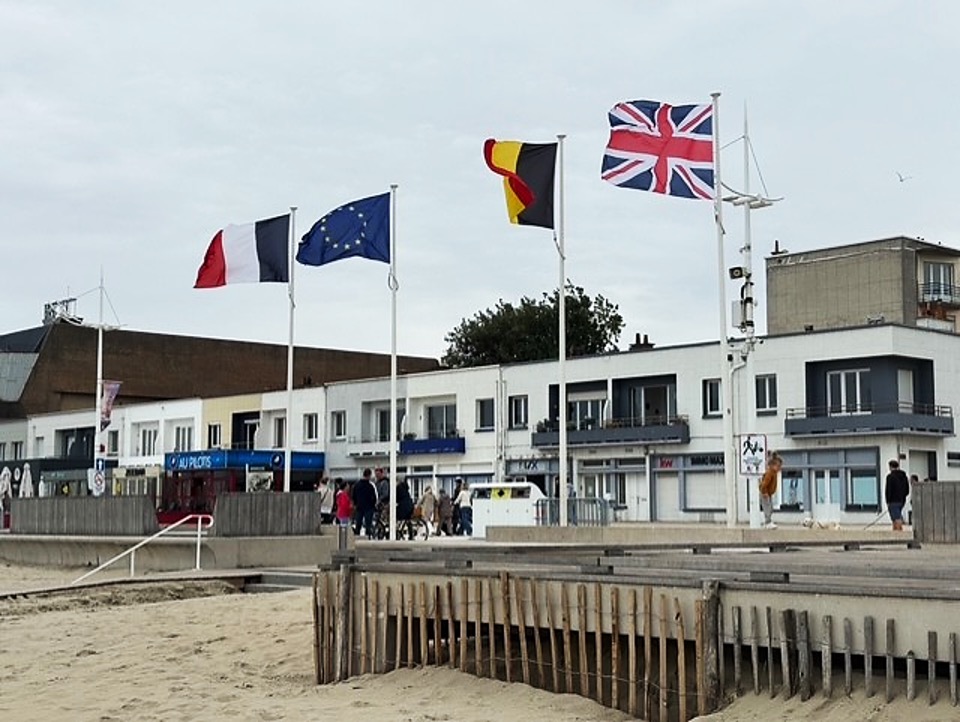

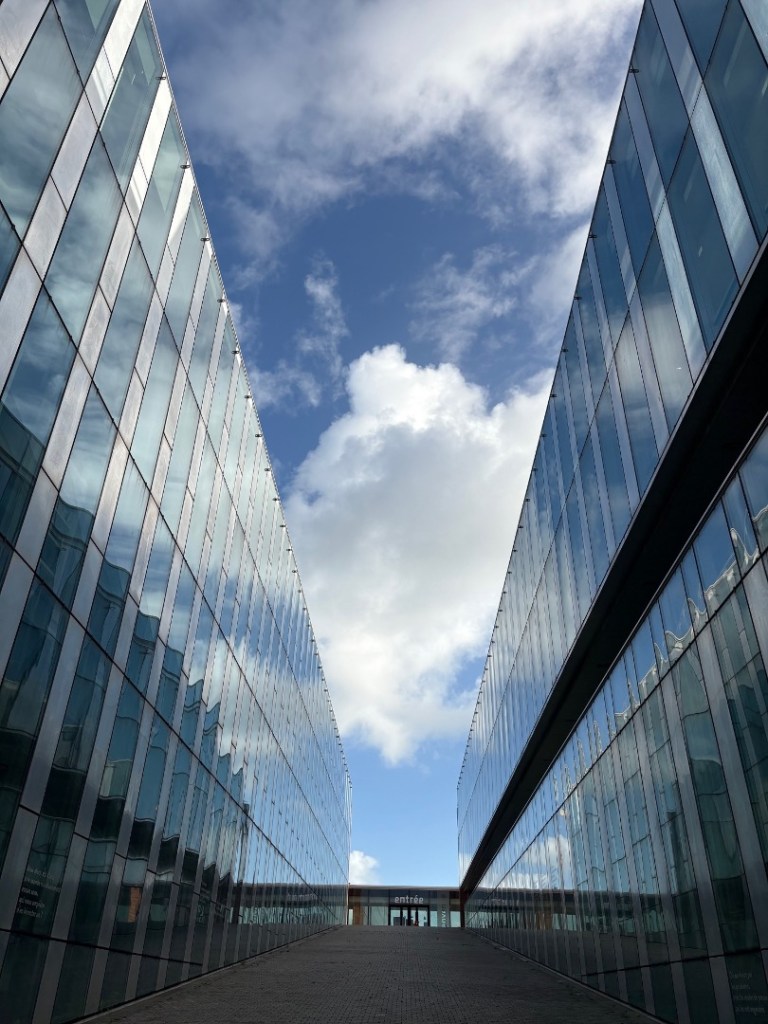
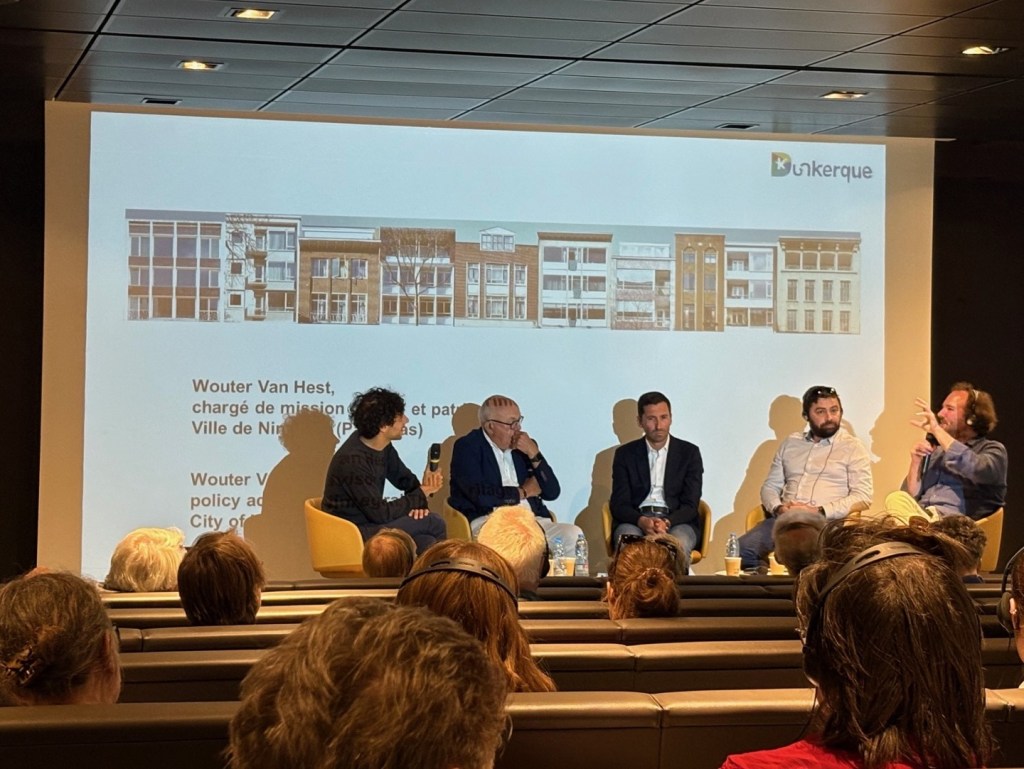
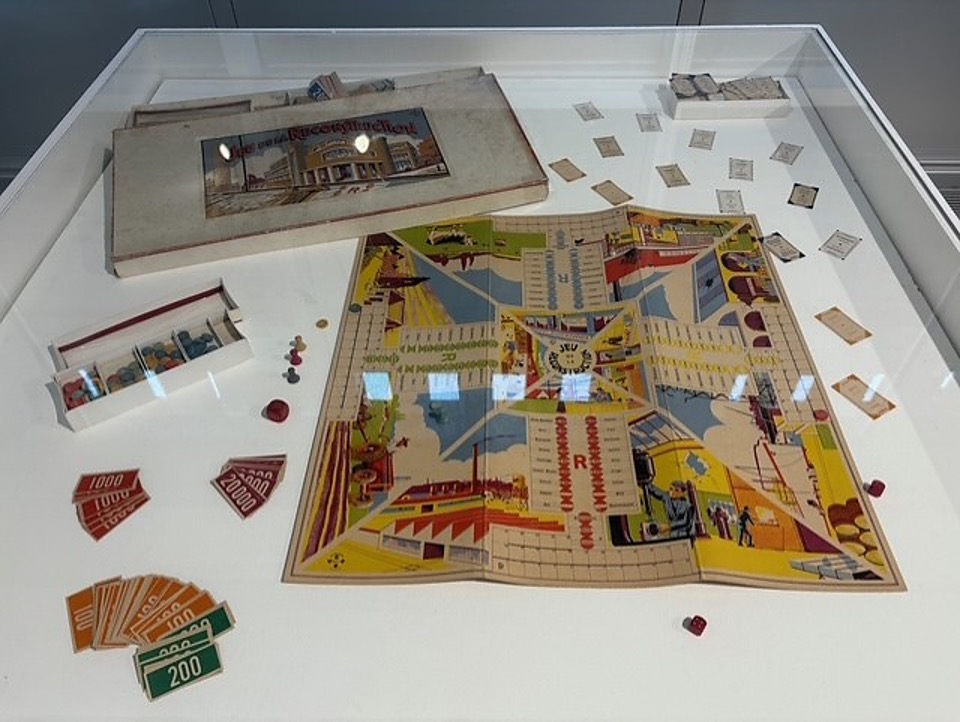

In the above slideshow Photos 1- 6 show post-war housing in Dunkerque city centre; Photo 7 is a view of a staircase in one of these houses; Photo 8 shows post-war housing along the promenade at the beach of Malo-Les-Bains; Photo 9 shows the original Sandettie Lightship at Dunkerque Harbour; Photo 10 is a view of the Halle Aux Sucres; Photo 11 shows a panel discussion on living with post-war reconstruction and responding to the challenges this heritage; Photo 12 shows exhibition objects: Games relating to the rebuilding of Dunkerque; Photo 13 is a view of Dunkerque City Centre from the Historic Harbour.
All photos are taken by Sabine Coady Schäbitz and are copyright.

 Coventry Association for International Friendship